Choosing when to visit Morocco depends on where you want to go and what you want to do. The country spans from Mediterranean coastline to Sahara Desert, with the Atlas Mountains running through the middle. Each region has its own climate patterns, and understanding them will help you plan a more enjoyable trip.
Spring (March to May): The Sweet Spot
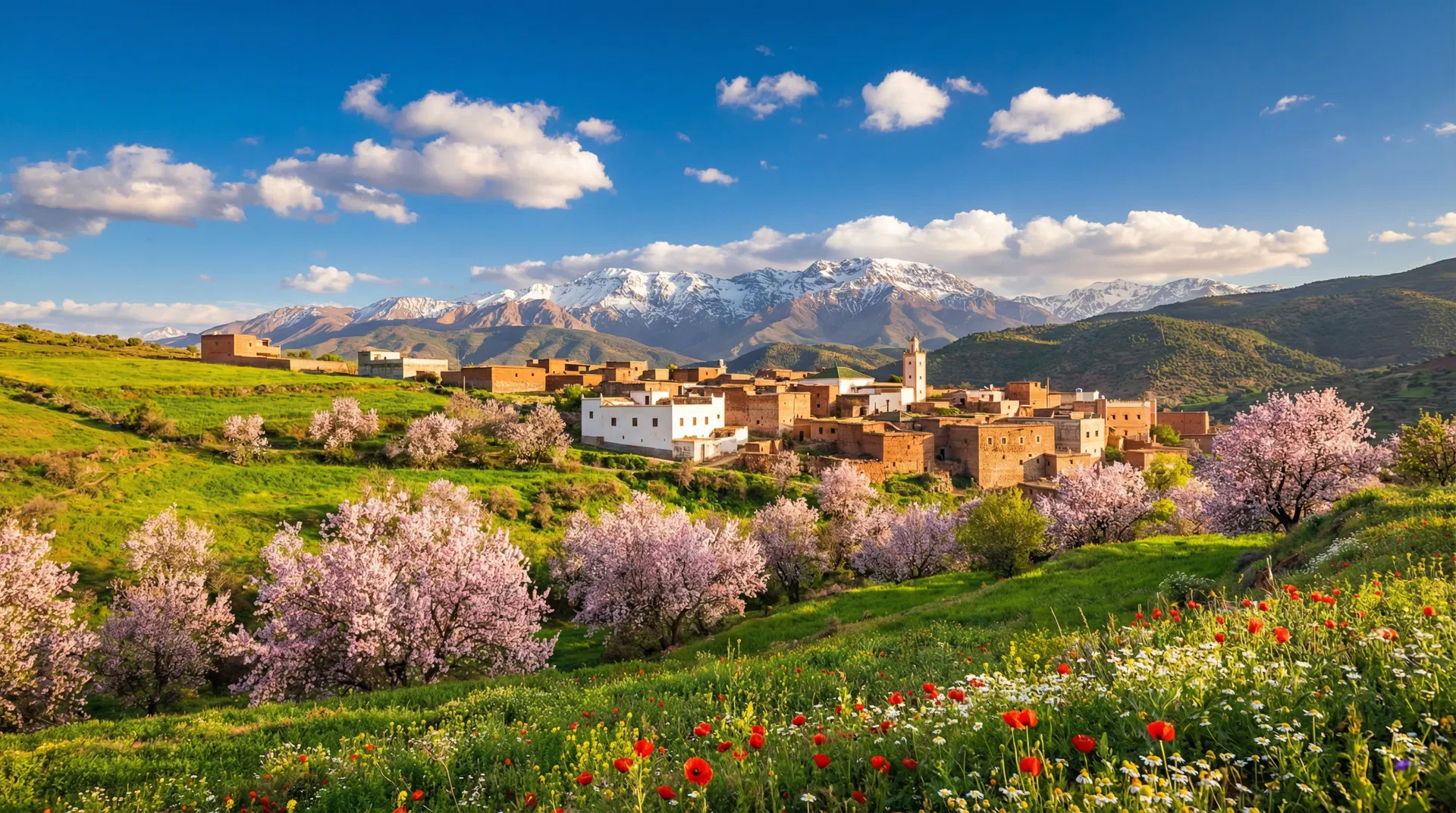
Spring is widely considered the best time to visit Morocco. Temperatures across the country are comfortable, ranging from 20°C to 28°C in most cities. The landscape comes alive with wildflowers, particularly in the Atlas Mountains and the countryside around Fez.
March can still bring occasional rain, especially in the north, but by April the weather stabilizes. May starts to warm up in the south, with Marrakech reaching 30°C by the end of the month.
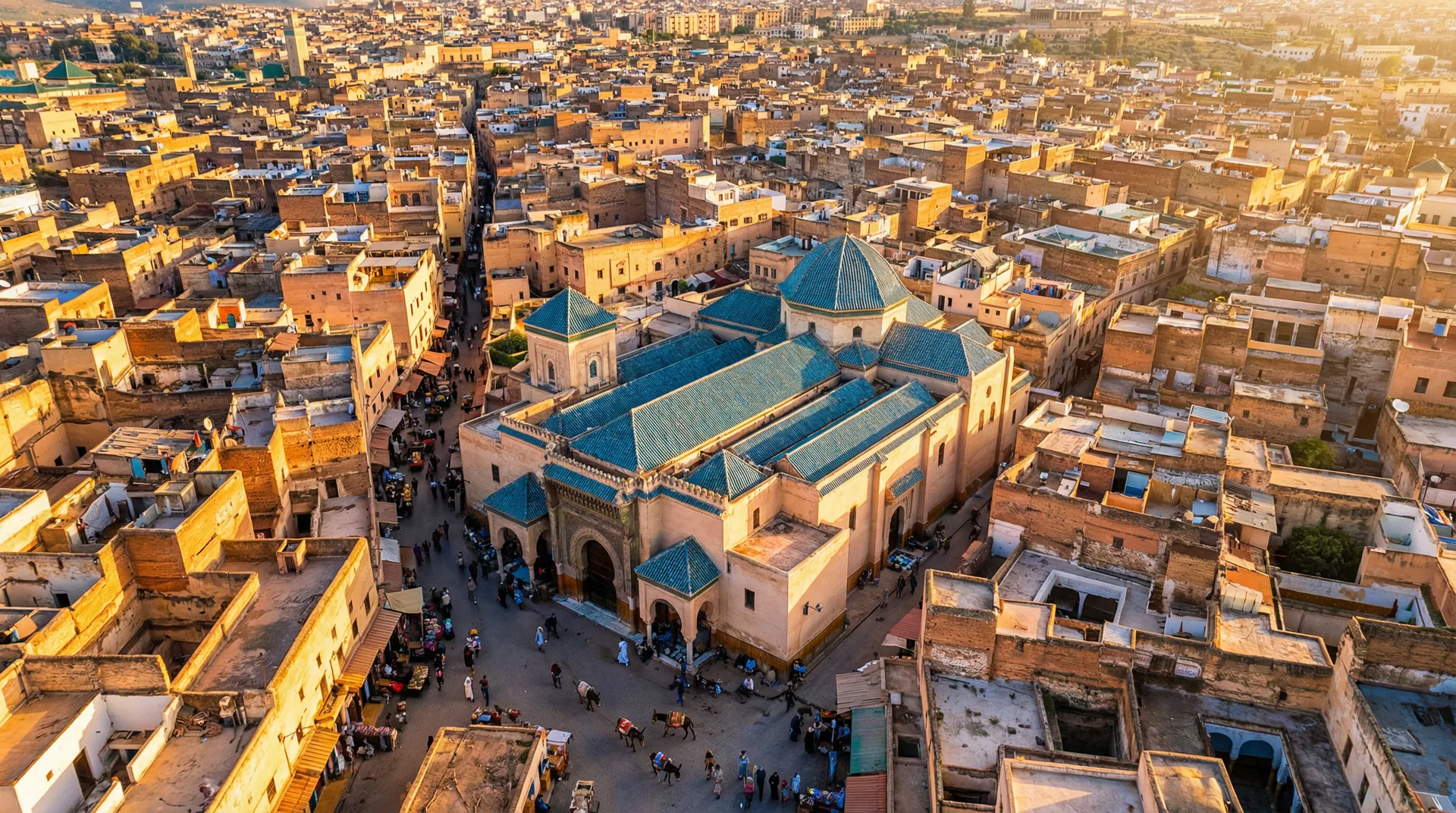
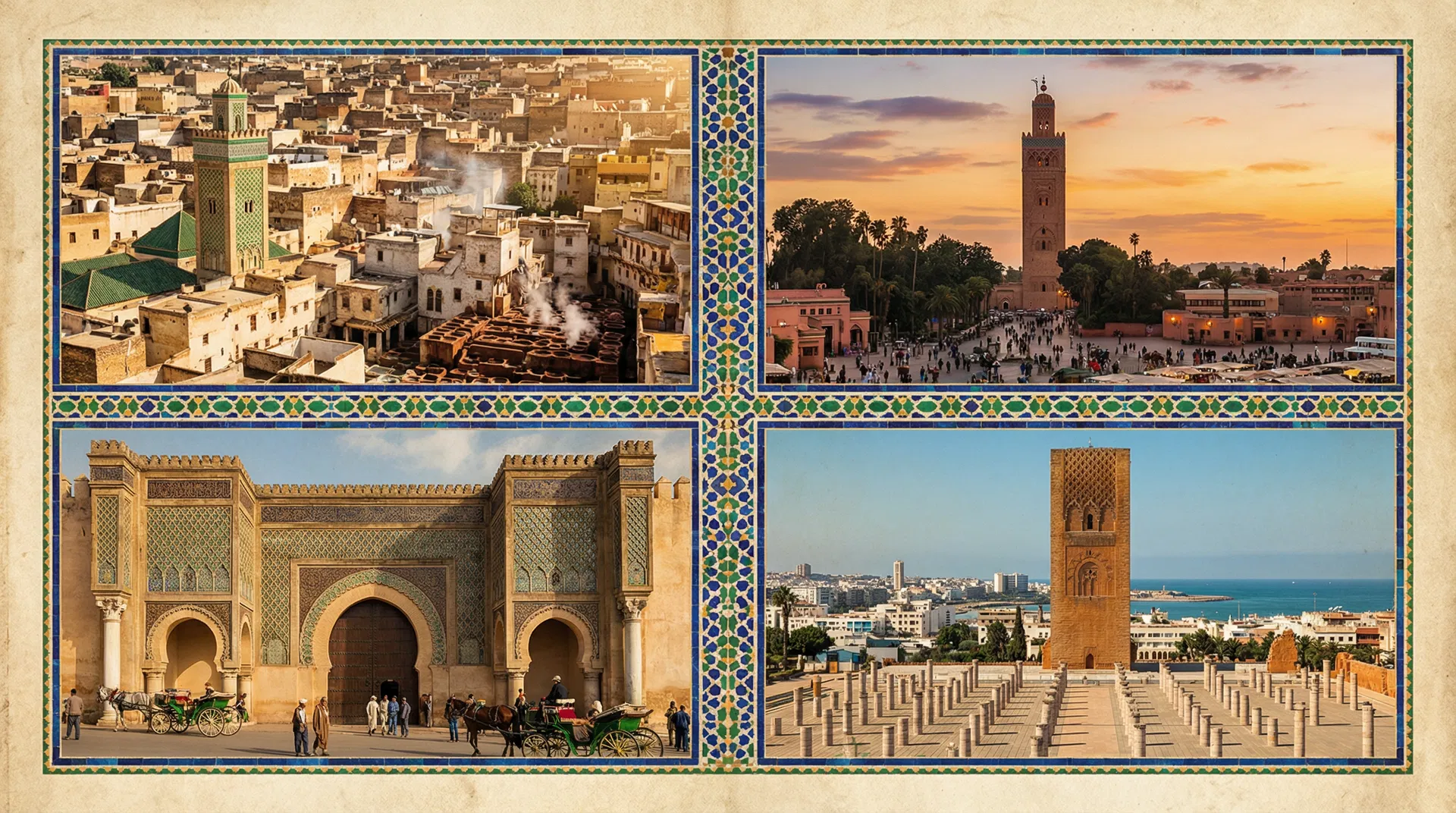
This is an excellent time for Imperial Cities tours, as the medinas are pleasant to explore on foot. Desert tours are also comfortable, though nights in the Sahara can still be cool.
Summer (June to August): Heat and Coastline
Summer brings intense heat to inland cities. Marrakech regularly exceeds 40°C in July and August, and Fez is not far behind. The Sahara Desert becomes extremely hot, making desert tours less comfortable.
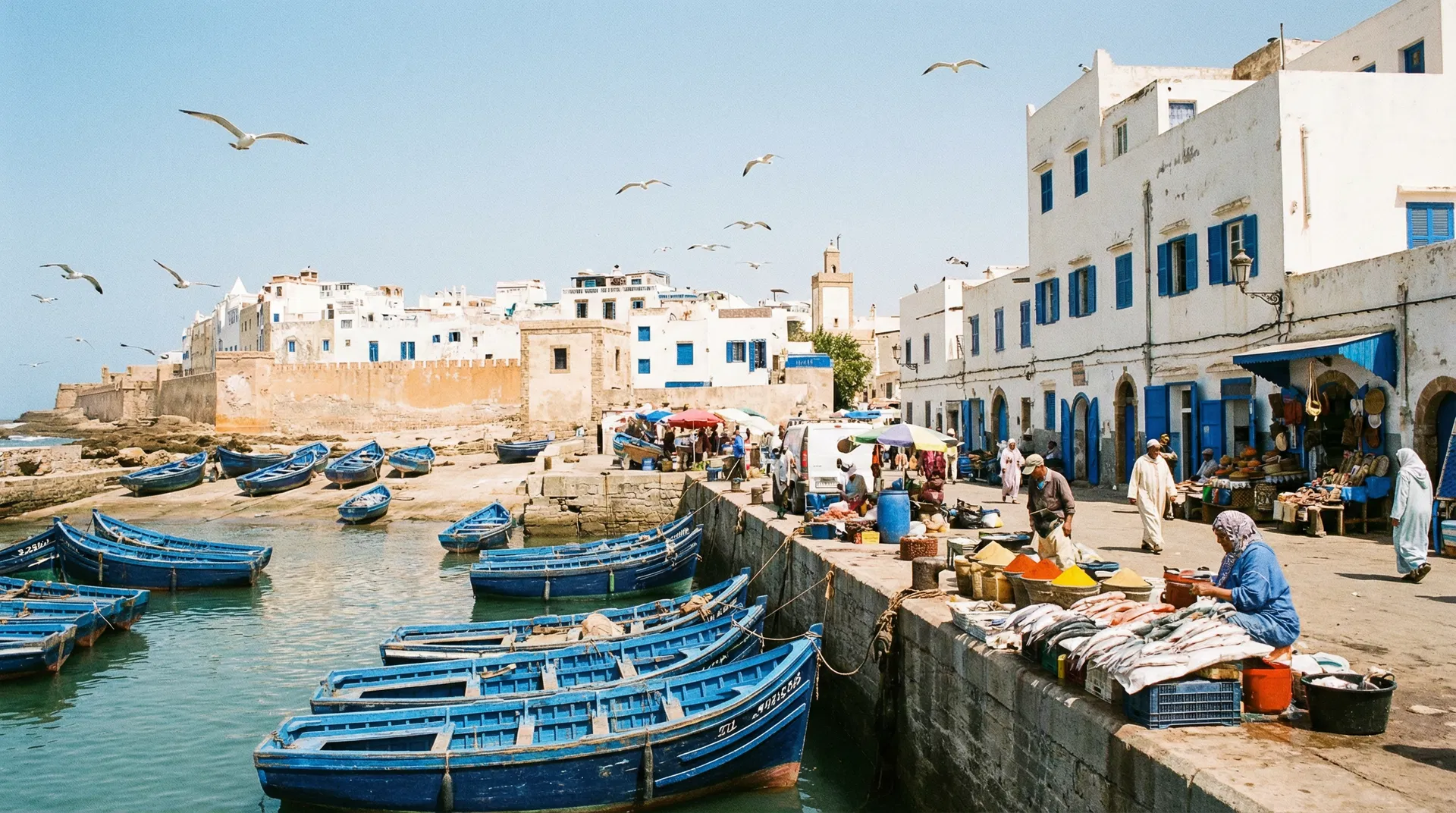
However, Morocco's coastline remains pleasant throughout summer. Essaouira, cooled by Atlantic trade winds, rarely exceeds 25°C even in August. Tangier and the northern coast offer Mediterranean-style summers perfect for beach holidays.
If you visit in summer, plan your sightseeing for early morning and late afternoon, and spend the hottest hours relaxing in your riad or by a pool. Many riads in Marrakech have rooftop terraces where you can enjoy the evening breeze.
Autumn (September to November): The Second Sweet Spot
Autumn rivals spring as the best time to visit. September can still be warm, but by October temperatures drop to comfortable levels. November brings the first rains, which refresh the landscape after the dry summer.
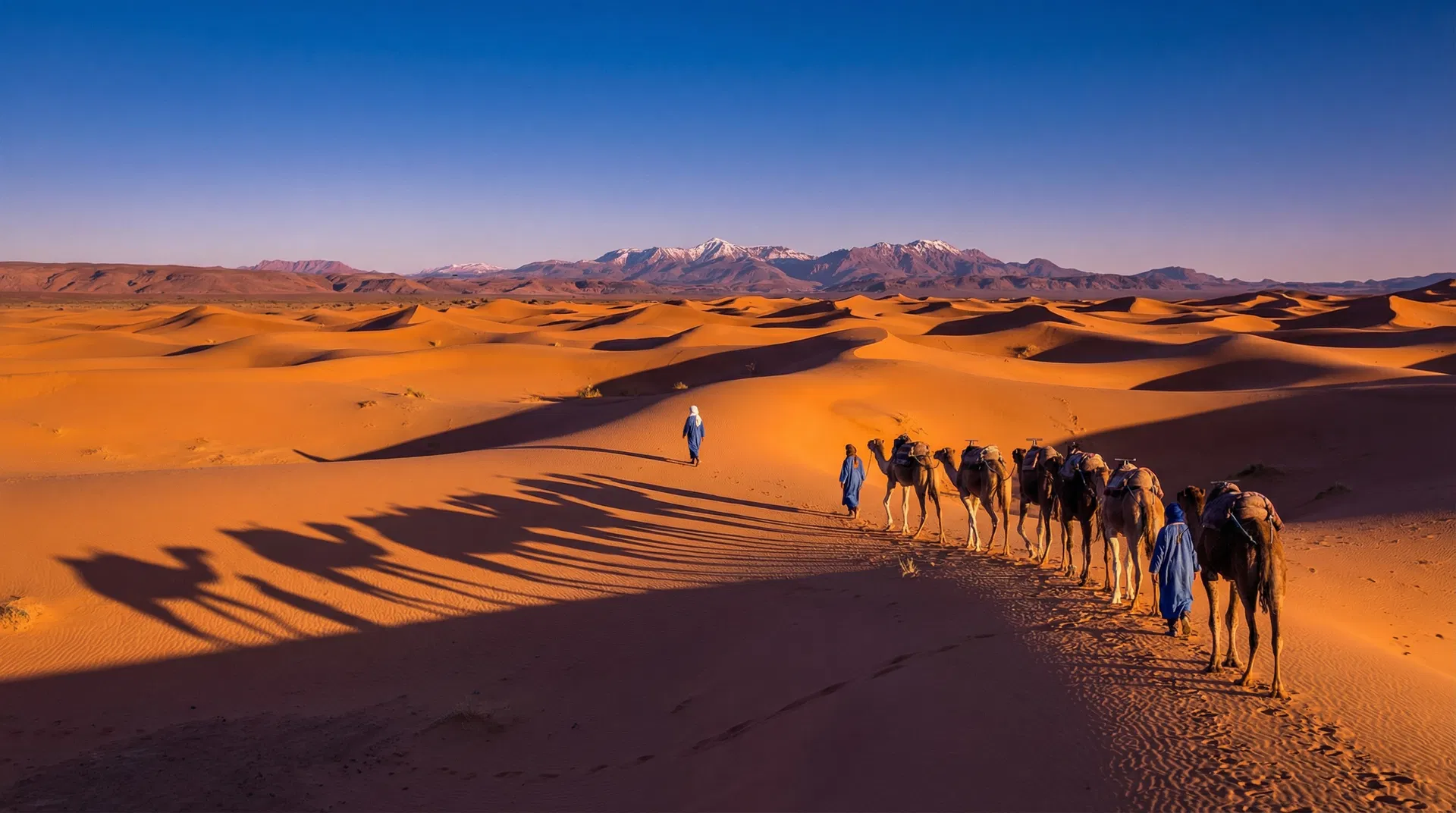
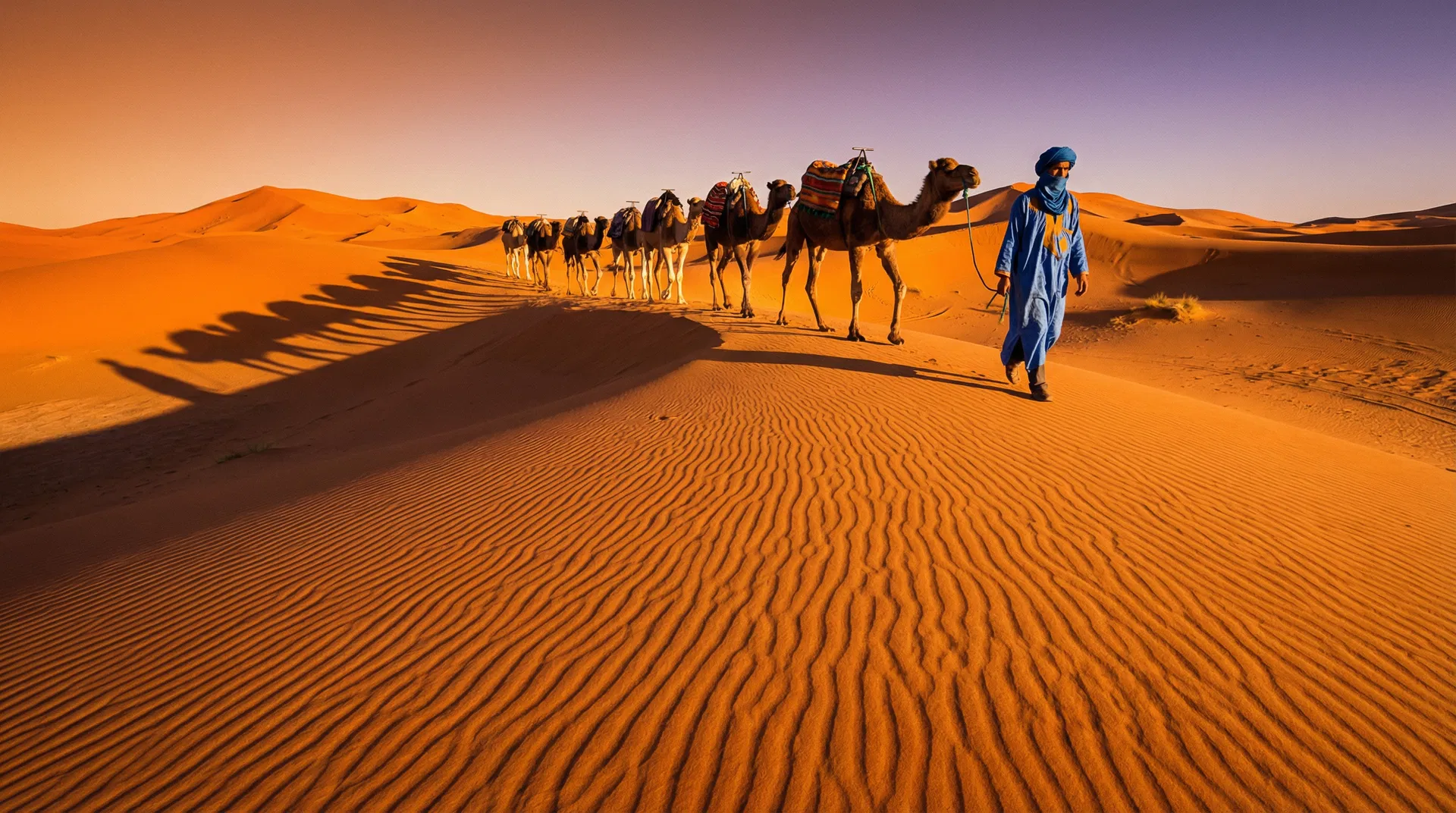
This is arguably the best time for Sahara Desert tours. The extreme summer heat has passed, but temperatures remain warm enough for comfortable camping. The light in autumn is particularly beautiful for photography.
The Imperial Cities are less crowded in autumn than in spring, making it easier to explore popular sites like the Fez medina and Marrakech's Bahia Palace without large tour groups.
Winter (December to February): Mild and Uncrowded
Winter in Morocco is mild compared to Europe, making it a popular escape for European travelers. Marrakech averages 18°C during the day in January, though nights can drop to 5°C. The Atlas Mountains receive snow, creating a striking contrast with the desert to the south.
This is a good time for budget travelers, as hotel prices drop significantly outside the Christmas and New Year period. The Sahara Desert is cool but manageable during the day, though nights can be very cold.
Rabat and Casablanca receive the most rain in winter, so pack a waterproof jacket if you are visiting the coast. Fez can also be rainy, but the covered souks of the medina provide shelter.
Month-by-Month Quick Reference
January through March brings cool temperatures and occasional rain in the north, but comfortable conditions in the south. April and May are warm and dry across the country. June through August is hot inland but pleasant on the coast. September through November offers warm days, cool nights, and excellent conditions for desert tours. December is mild with festive atmosphere in the cities.
Our Recommendation
For a first visit to Morocco covering the Imperial Cities and desert, we recommend April, May, October, or November. These months offer the best combination of comfortable temperatures, manageable crowds, and good value for accommodation.