Morocco's imperial cities represent the cultural backbone of the kingdom. Each city once served as the nation's capital under different dynasties, and each carries a distinct character shaped by centuries of history, trade, and artistic expression.
Fez: The Spiritual and Intellectual Capital
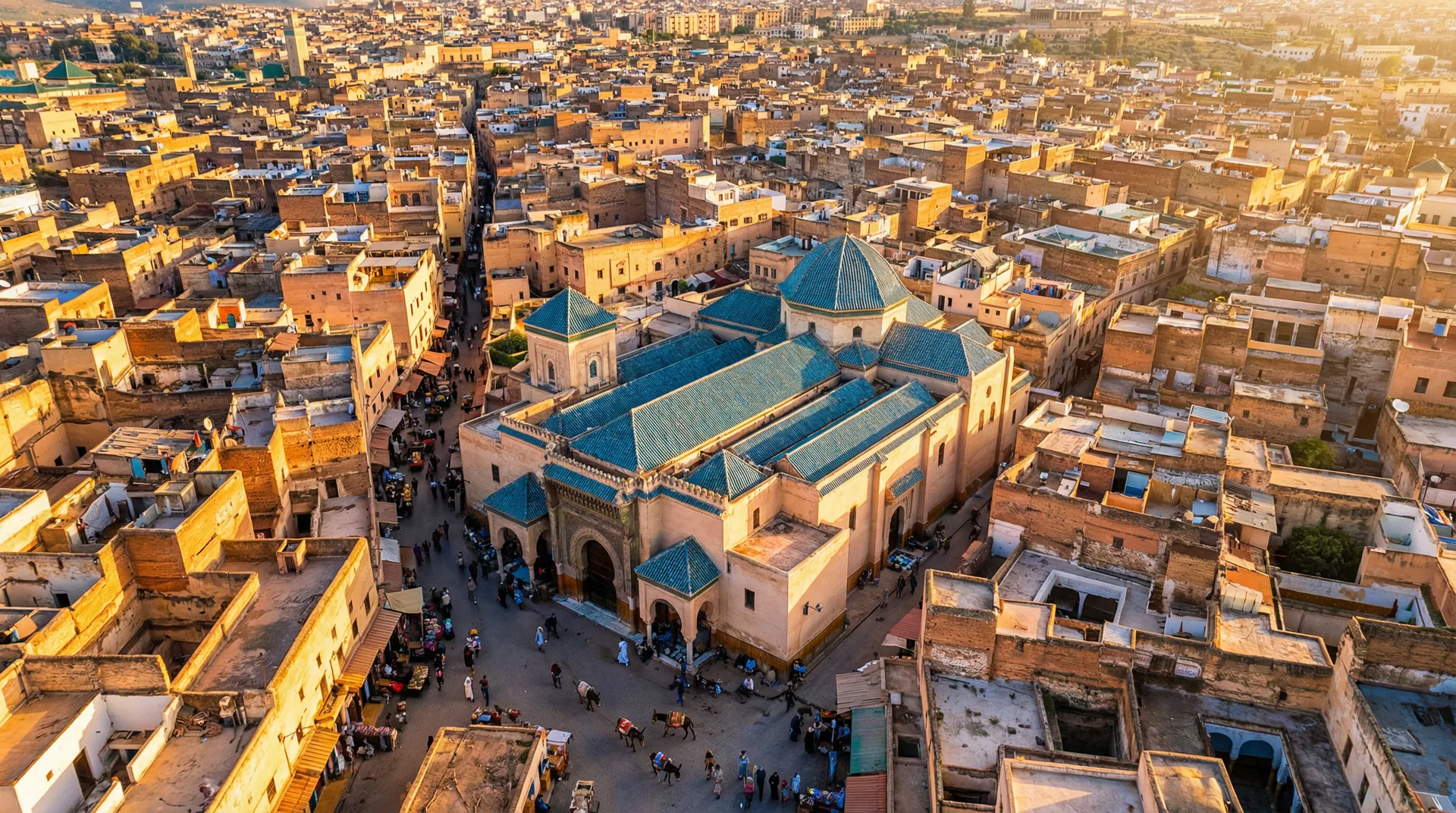
Founded in 789 AD, Fez is home to the world's oldest continuously operating university, Al Quaraouiyine, established in 859 AD. The city's medina, Fez el-Bali, is the largest car-free urban area in the world and a UNESCO World Heritage Site.
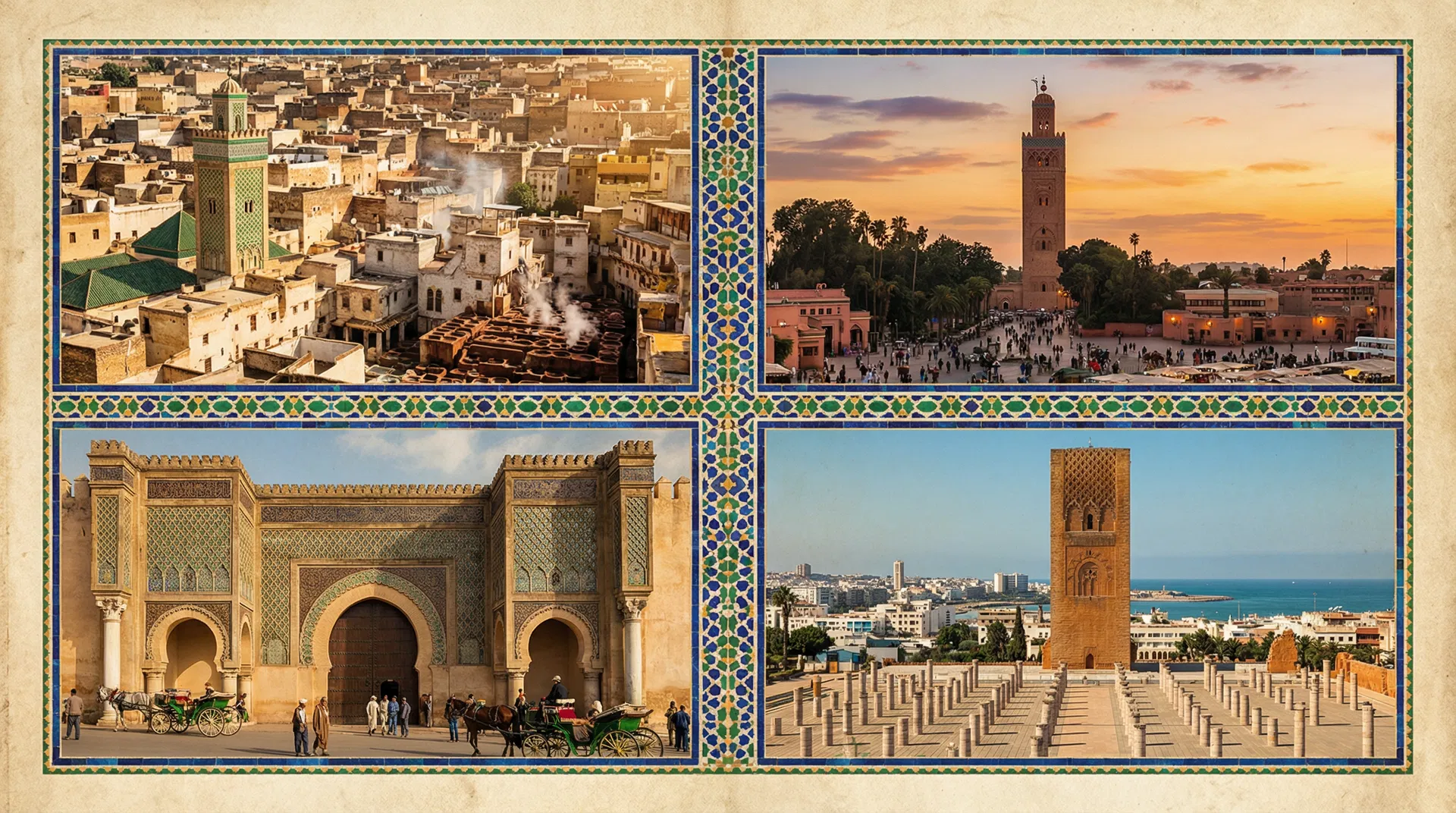
Walking through Fez feels like stepping into a living museum. The narrow alleyways open into courtyards where artisans still practice crafts passed down through generations. The famous tanneries, where leather is dyed using traditional methods unchanged for centuries, remain one of Morocco's most photographed sights.
What to see in Fez: The Bou Inania Madrasa showcases some of the finest examples of Marinid architecture, with intricate zellige tilework and carved stucco. The Chouara Tannery, best viewed from surrounding leather shops, offers a window into medieval craftsmanship. The Mellah (Jewish Quarter) tells the story of Morocco's diverse cultural heritage.
Best time to visit Fez: Spring (March to May) and autumn (September to November) offer mild temperatures ideal for exploring the medina on foot. Summer temperatures can exceed 40°C, making walking tours uncomfortable.
Marrakech: The Red City
Marrakech was founded in 1070 by the Almoravid dynasty and quickly became a major trading hub connecting sub-Saharan Africa with the Mediterranean. The city gets its nickname from the distinctive red-ochre walls that surround the old medina.
The heart of Marrakech is Jemaa el-Fnaa, a vast square that transforms throughout the day. Mornings bring orange juice vendors and snake charmers; evenings see the square fill with food stalls, musicians, and storytellers. UNESCO recognized it as a Masterpiece of the Oral and Intangible Heritage of Humanity.
What to see in Marrakech: The Bahia Palace, built in the late 19th century, features stunning gardens and ornate rooms that showcase Moroccan architectural mastery. The Saadian Tombs, rediscovered in 1917, contain the remains of members of the Saadian dynasty in beautifully decorated mausoleums. The Majorelle Garden, later owned by Yves Saint Laurent, provides a peaceful escape from the bustling medina.
Best time to visit Marrakech: October through April offers the most comfortable weather. December and January can be cool in the evenings, so pack layers. The city is busiest during Christmas and Easter holidays.
Meknes: The Versailles of Morocco
Sultan Moulay Ismail chose Meknes as his capital in the 17th century and set about creating a city to rival Versailles. The result was a monumental complex of palaces, gardens, and granaries surrounded by 40 kilometers of walls.
Meknes is often overlooked by tourists rushing between Fez and Marrakech, which makes it one of Morocco's most rewarding destinations for those who take the time to explore. The city feels more relaxed and authentic than its more famous neighbors.
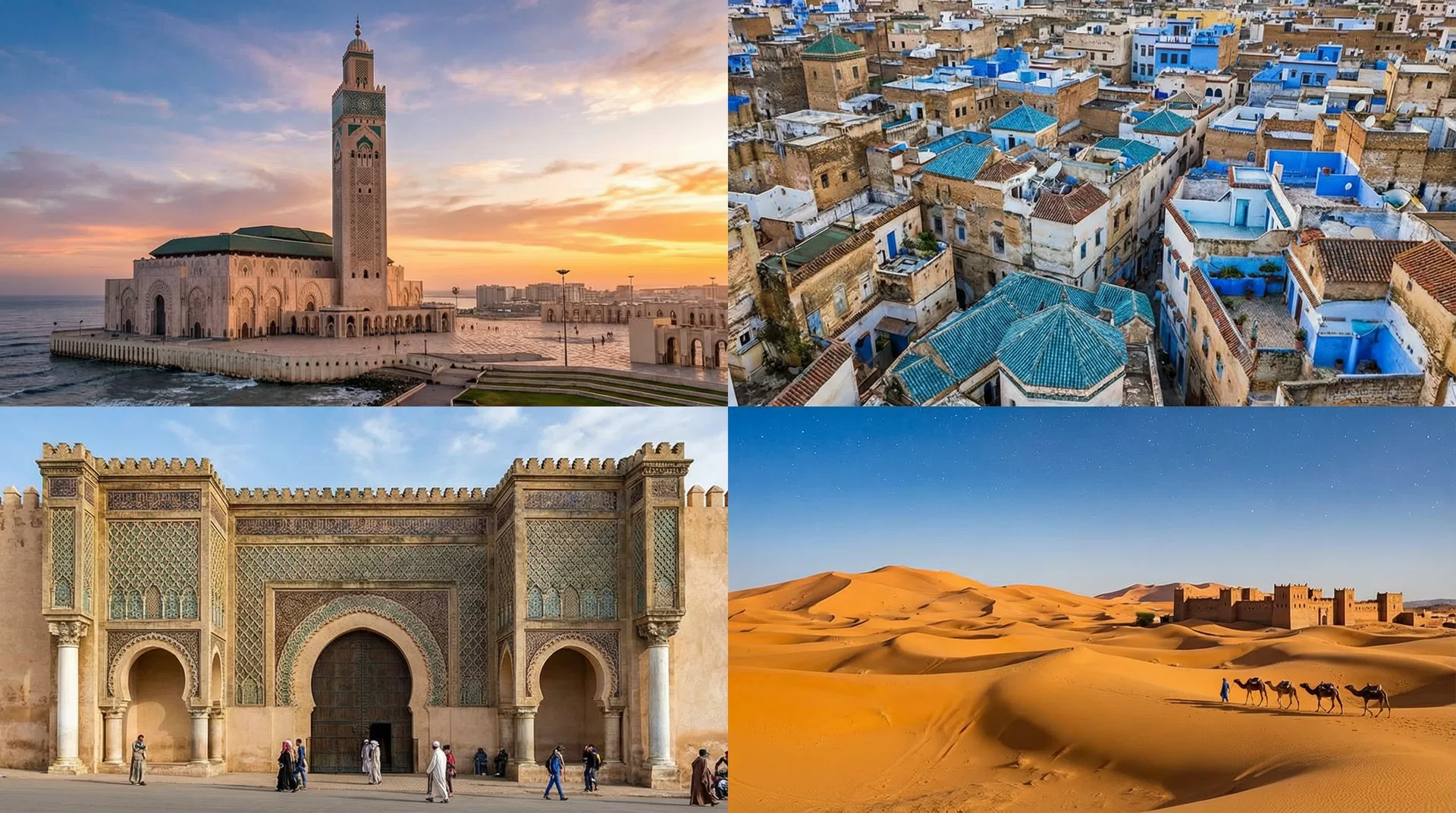
What to see in Meknes: Bab El Mansour, completed in 1732, is considered the finest gateway in all of North Africa. The Royal Stables were designed to house 12,000 horses and remain impressive even in their partially ruined state. The nearby Roman ruins of Volubilis, just 30 kilometers away, feature remarkably preserved mosaics and columns.
Best time to visit Meknes: Spring and autumn are ideal. The city sits at a slightly higher elevation than Marrakech, so temperatures are generally a few degrees cooler.
Rabat: The Modern Capital
Rabat has served as Morocco's capital since 1912 and offers a fascinating blend of historical sites and modern amenities. The city feels distinctly different from the other imperial cities, with wide boulevards, contemporary art galleries, and a cosmopolitan atmosphere.
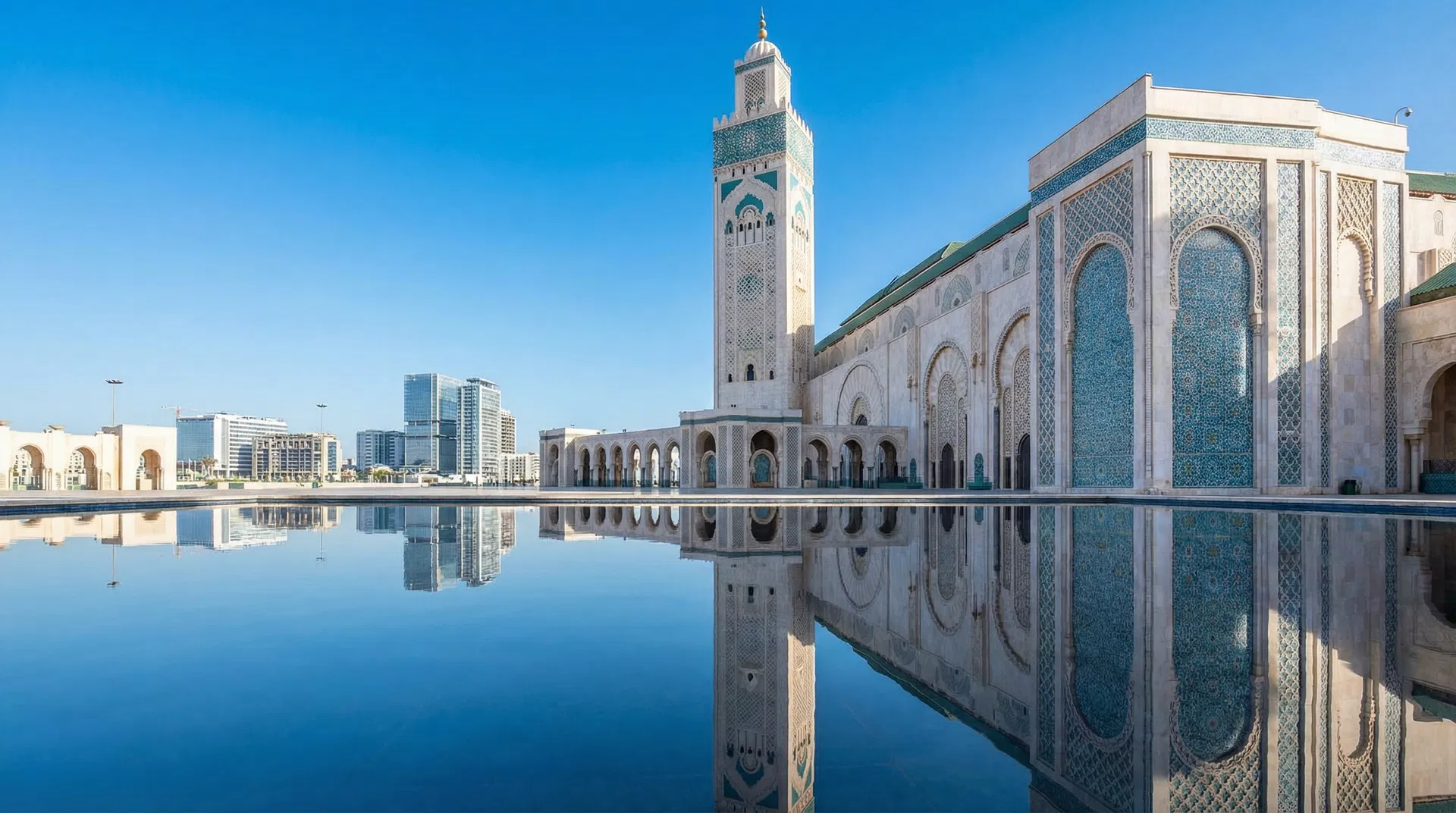
What to see in Rabat: The Kasbah of the Udayas, perched on a cliff overlooking the Atlantic Ocean, features blue-and-white painted streets reminiscent of Chefchaouen. The Hassan Tower, an unfinished minaret from the 12th century, stands alongside the modern Mausoleum of Mohammed V. The Chellah, a medieval fortified necropolis, combines Roman ruins with Islamic architecture in a garden setting.
Best time to visit Rabat: The Atlantic coast moderates temperatures year-round, making Rabat comfortable to visit in any season. Summer brings warm but not extreme heat, while winter is mild with occasional rain.
Planning Your Imperial Cities Tour
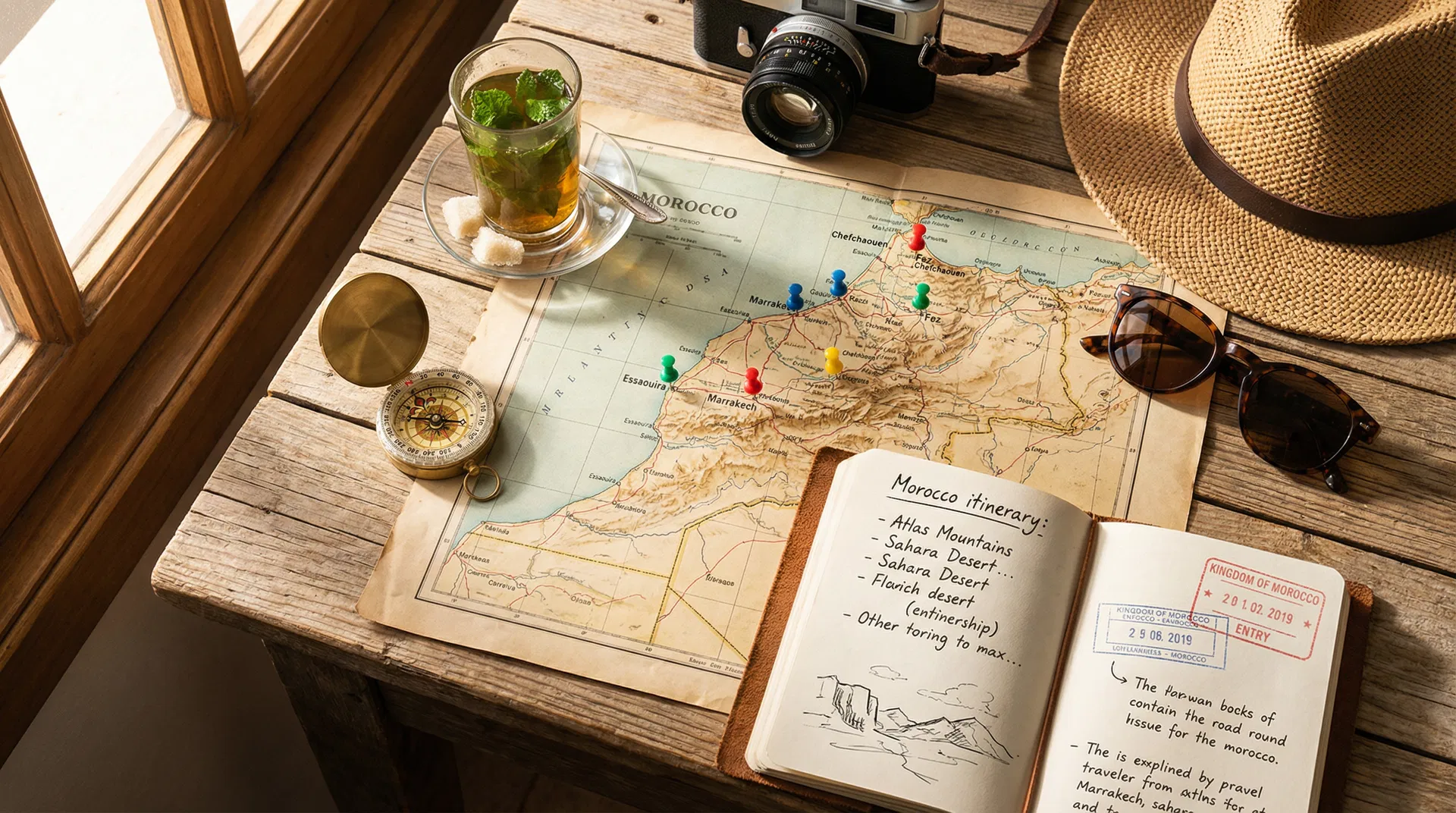
The most popular route connects all four cities in a loop: Casablanca to Rabat to Meknes to Fez, then south to Marrakech. This circuit typically takes 7 to 10 days, depending on how much time you spend in each city.
For travelers with limited time, a 4-day express tour can cover the highlights of all four cities, though you will inevitably miss some of the deeper experiences that make each city special.
We recommend spending at least two full days in Fez and two in Marrakech, with one day each for Meknes and Rabat. This allows enough time to explore the medinas, visit key monuments, and soak in the atmosphere without feeling rushed.